

How to Create a Pollinator-Friendly Garden
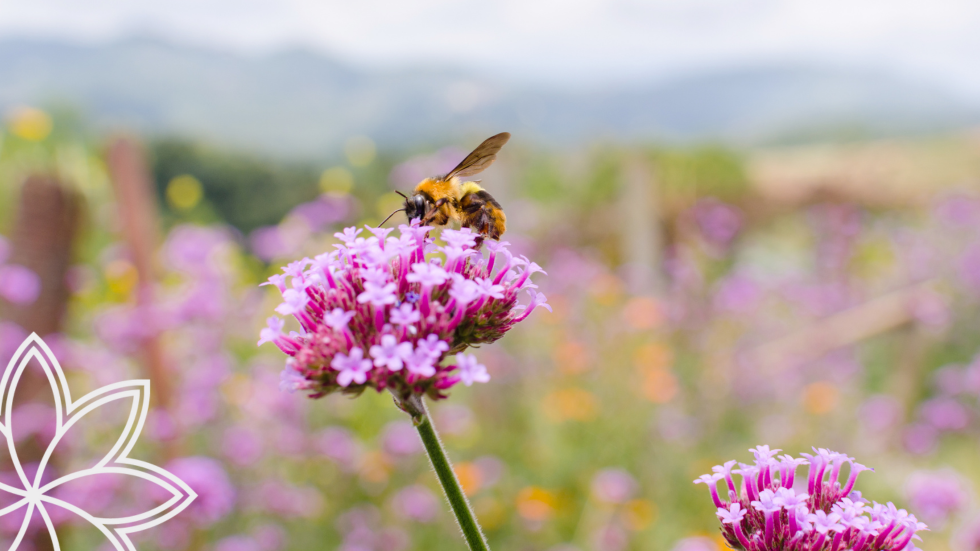
Not seeing as many bees, butterflies, or hummingbirds in your garden? You’re not alone. As urban development expands across the Greater Toronto Area (GTA)—including Halton Region in Southwestern Ontario—natural habitats for pollinators are shrinking. The good news? Your garden can help restore the balance.
Creating a pollinator-friendly garden is one of the simplest (and most beautiful) ways to support local ecosystems, boost biodiversity, and enjoy a vibrant, buzzing backyard. Whether you’re in Milton, Oakville, Burlington, or Mississauga, you can make a difference—right at home.
Why Pollinators Matter
Pollinators such as bees, butterflies, hummingbirds, and even some beetles are essential to our food system. They help plants reproduce, leading to the fruits, vegetables, and seeds we rely on. Unfortunately, habitat loss, pesticide use, and climate change have caused many pollinator populations to decline.
By making small changes in your yard, you can help these vital species thrive.
How to Create a Pollinator Paradise
Here are simple steps to transform your yard into a pollinator-friendly haven:
1.Plant Native Flowers
Native plants are adapted to Ontario’s climate and are a magnet for local pollinators. Aim for a variety of plants that bloom at different times throughout the growing season to provide food from spring to fall.
Top native pollinator-friendly plants in Halton Region.👇
-
Attracts: Monarch butterflies (larval host), bees
Notes: Common milkweed, swamp milkweed, and butterfly milkweed are all native and beneficial.
-
Attracts: Bees, butterflies
Notes: Long-blooming and hardy; great for sunny gardens.
-
Attracts: Bumblebees, butterflies, hummingbirds
Notes: Also known as bee balm; aromatic and mildew-resistant varieties available.
-
Attracts: Butterflies, bees
Notes: Drought-tolerant and a favourite for pollinator gardens.
-
Attracts: Late-season bees and butterflies
Notes: Provides fall nectar when other blooms fade.
-
Attracts: Hummingbirds, bees, butterflies
Notes: Great for partial shade; blooms in spring.
-
Attracts: Swallowtail butterflies, native bees
Notes: Tall and dramatic—ideal for back borders or wet spots.
-
Attracts: Bees, butterflies, hoverflies
Notes: Often misunderstood as allergenic; actually vital for pollinators.
-
Attracts: Butterflies, bees
Notes: Thrives in moist soils and adds vertical interest.
-
Attracts: Bees, birds (later for berries), early pollinators
Notes: A small tree or shrub that provides spring blossoms and fall colour.


2.Avoid Pesticides
Many insecticides and herbicides are harmful to pollinators. Consider organic lawn care and natural pest control methods, or consult a yard maintenance professional to keep your garden healthy without chemicals.
3.Add Host Plants
Some pollinators need specific plants to lay eggs or feed their young. For example, milkweed is critical for monarch butterfly caterpillars. Incorporating these into your garden helps support the full pollinator life cycle.
4.Include Water Sources
A shallow dish with pebbles and water gives bees and butterflies a place to drink. Keep it clean and refill it regularly.
5.Let It Grow a Little Wild
Consider leaving part of your yard a little more natural—less mowing and fewer trimmed edges can create mini-habitats. A wildflower corner or unmown patch can provide safe shelter and food.
6.Layer Your Landscaping
Pollinators benefit from a variety of plant heights and layers. Include trees, shrubs, and low-growing plants to offer shelter, shade, and nesting spots.
7. ASK THE EXPERTS!
When choosing the right plants for your garden, be sure to check in with the plant experts at your local garden centre to help select the right pollinator plants for your back yard and patio.
Need Help with Planting & Maintaining your Garden?
At Malinis Property Services, we do more than clean—our yard maintenance team can help you refresh your garden beds, remove weeds, add mulch, and get your outdoor space pollinator-ready.
Whether you're just starting out or want help maintaining a beautiful, low-maintenance garden, we’re here for residents and small businesses in Milton, Halton, Burlington, Oakville, and Mississauga-West.
👉 Book a free estimate: malinis.ca/book-now
